- Share
-

-

-

-

In August 2025, 30 researchers from around the world gathered at the Abisko Scientific Research Station. Located in Abisko, Sweden, 20 miles north of the Arctic Circle and nestled within a national park, the station served as host for the Advanced Climate Dynamics Course (ACDC).
“Climate is a discipline that requires you to know and bring materials from all sorts of disciplinary sciences: physics, chemistry, math, biology, ecology,” said David Battisti, professor of atmospheric sciences at the University of Washington and one of the organizers for ACDC. “If we’re going to make progress, we need to bring those groups together.”

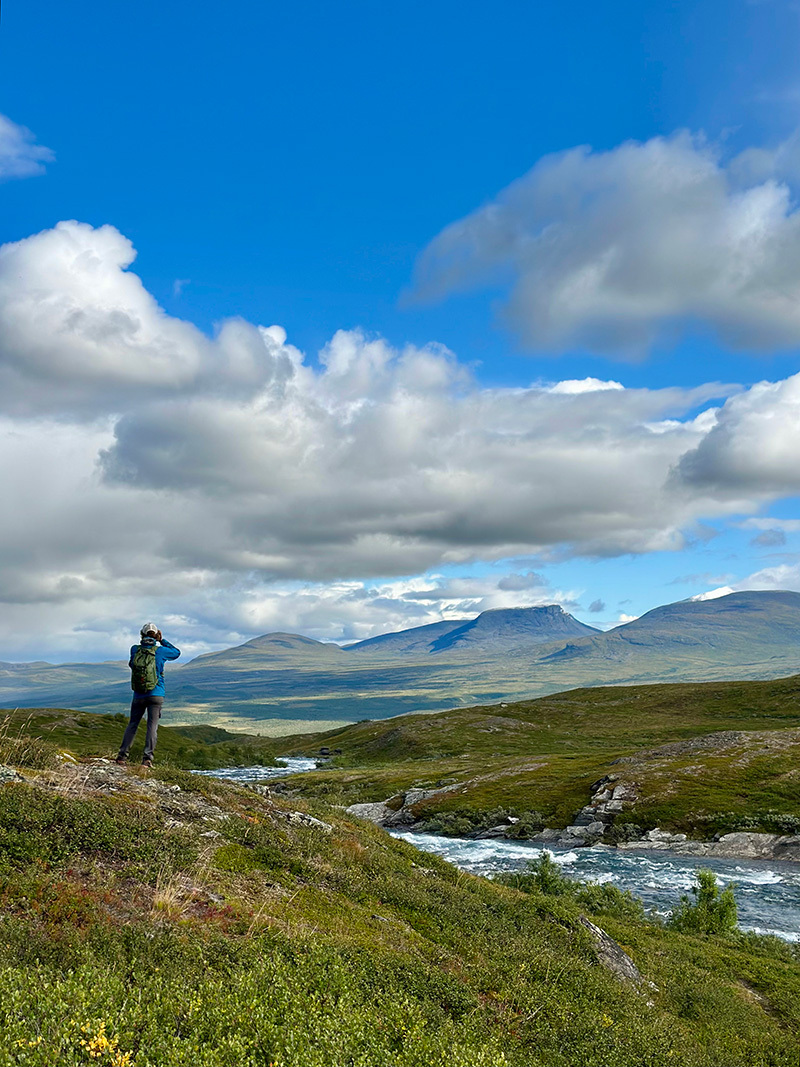
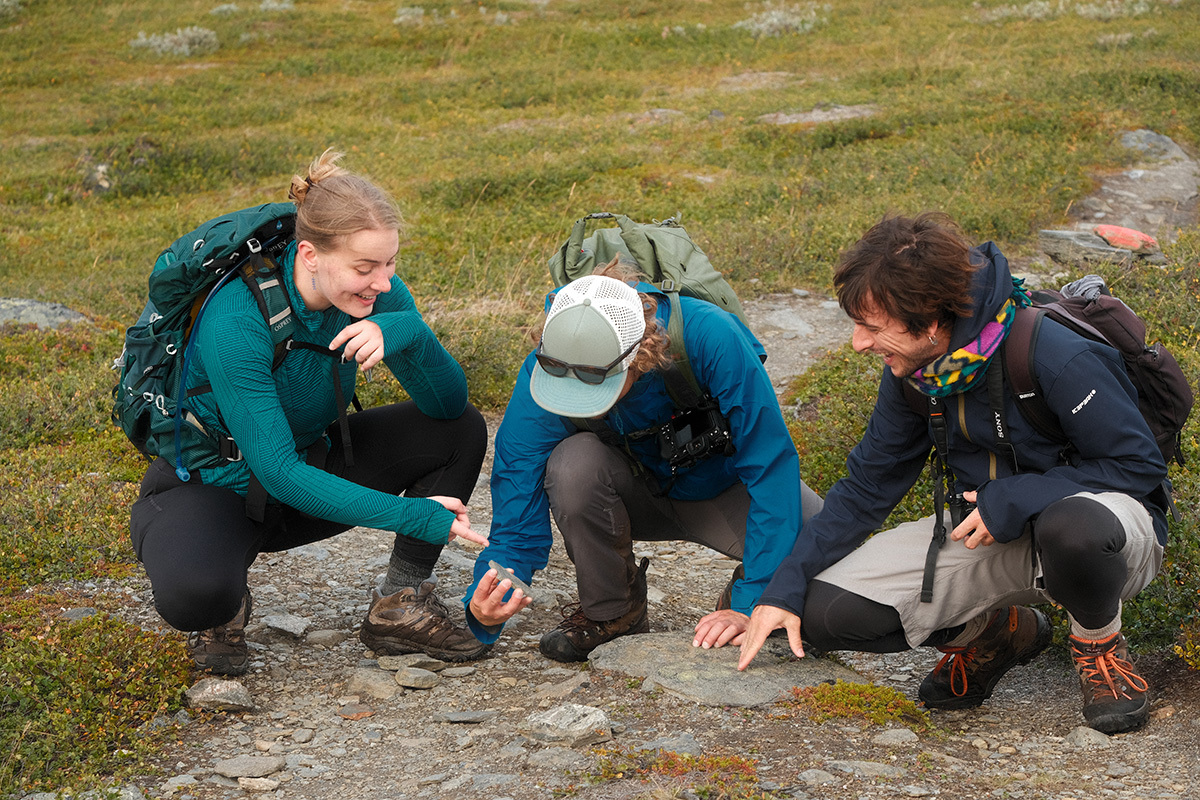
Kungsleden hiking trail. Photograph by Marysa Laguë.
The topic of this past ACDC was “Memory in the Climate System.” Memory refers to the capacity of systems, such as atmospheric and oceanic systems, to retain and release information on past climate and influence future states, typically over long periods of time. From memory, researchers can investigate how much of climate change is due to natural variability versus external factors, such as increasing carbon dioxide in the atmosphere.
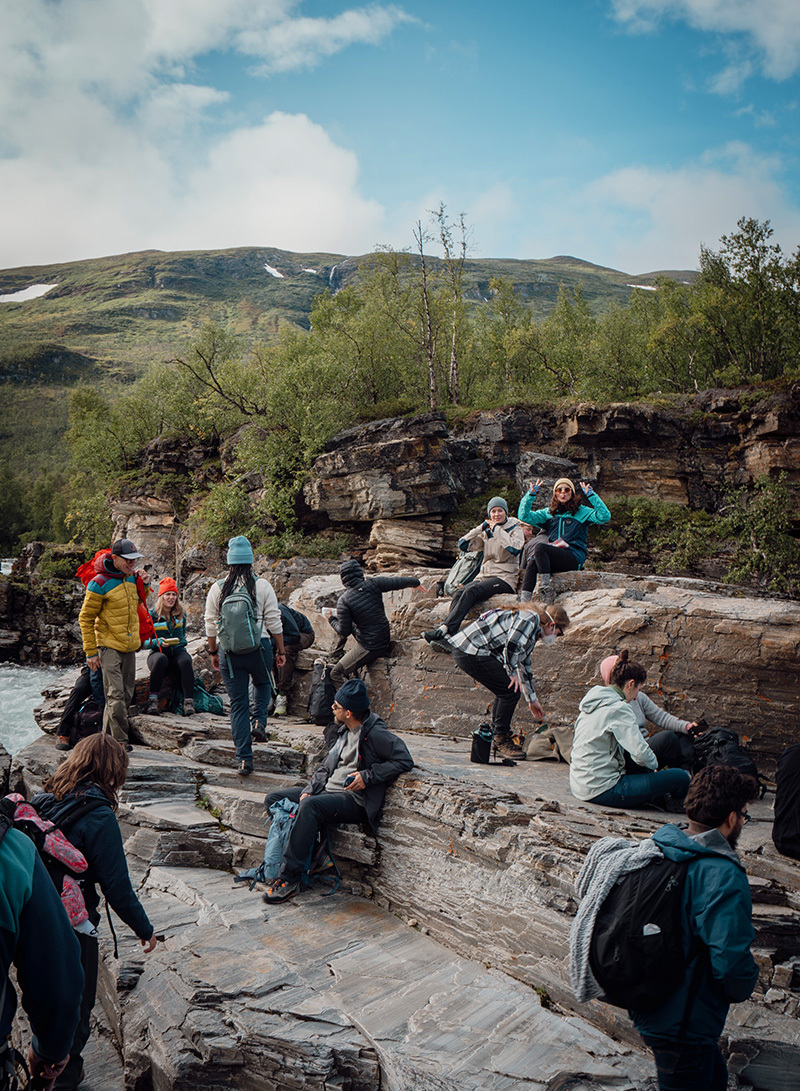
Students engaged with this topic through lectures, projects, and even an overnight hike to the heart of Absiko, where they explored the landforms and quaternary deposits of Abisko National Park. For many of the students focused on the theoretical side of climate science, the hands-on nature of ACDC opened their eyes to new ways of approaching their work.
“I don’t do any observational stuff,” said Kirstin Koepnick, an applied math PhD student at Harvard University. “It was very different than what I am used to learning and studying, and it was really quite remarkable to be a part of that.”
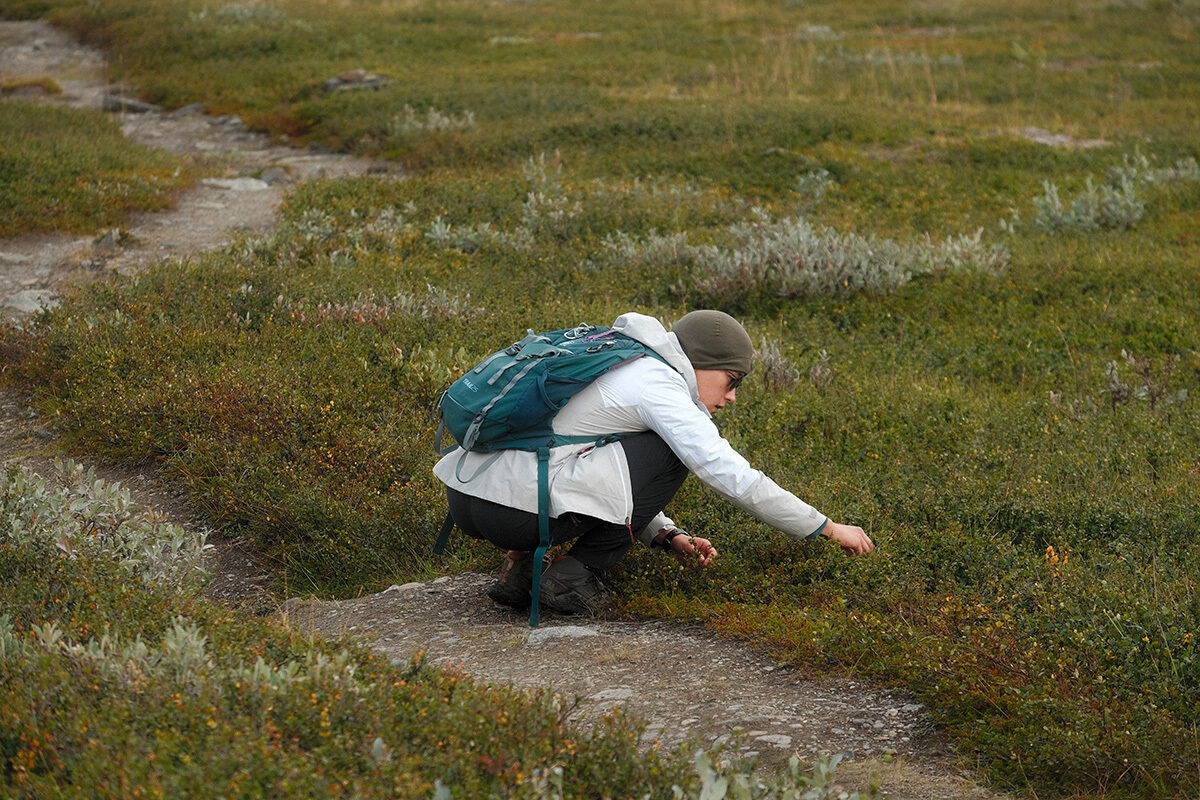
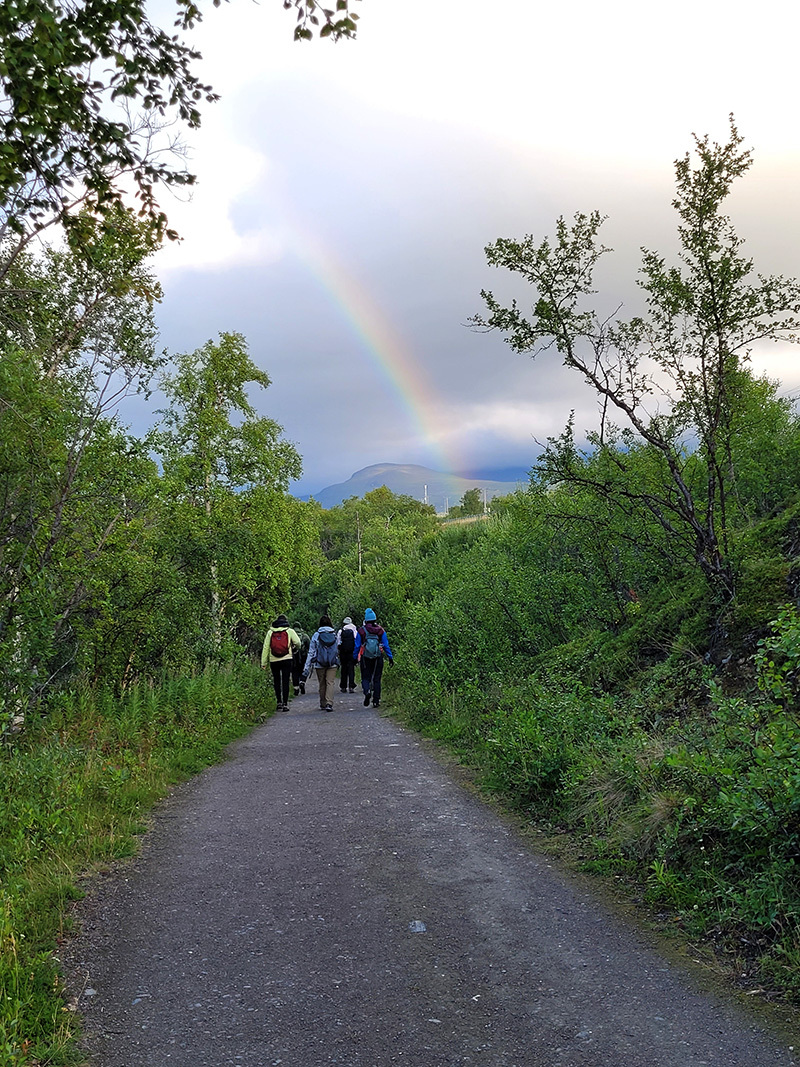
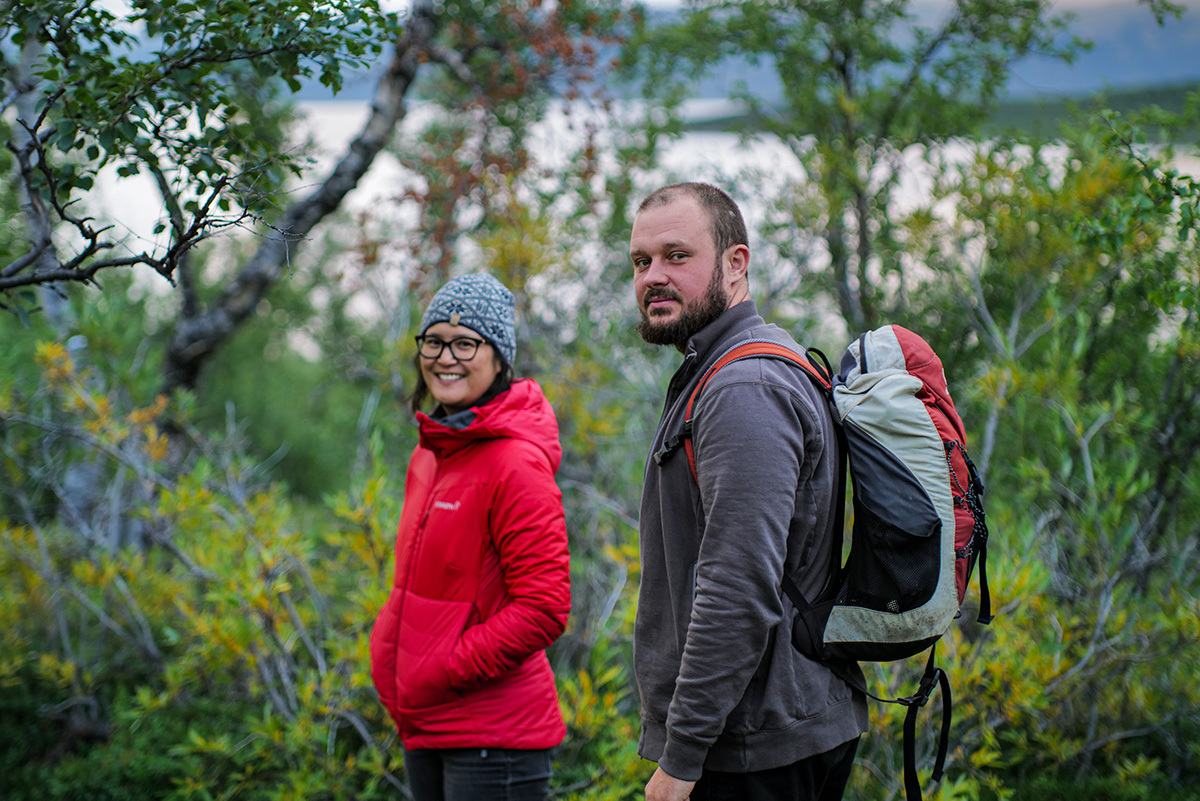
Kungsleden hiking trail. Photograph by Vera Stockmeyer.
"It was very different than what I am used to learning and studying, and it was really quite remarkable to be a part of that.”—Kirstin Koepnick, Harvard University PhD student
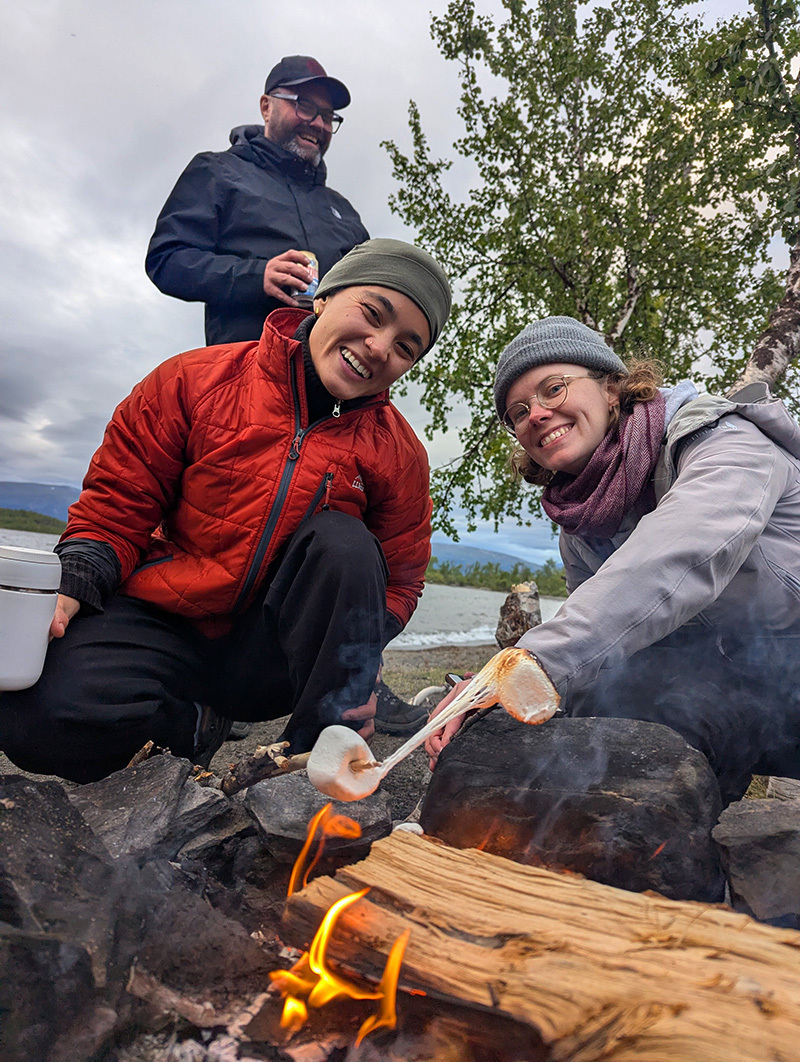
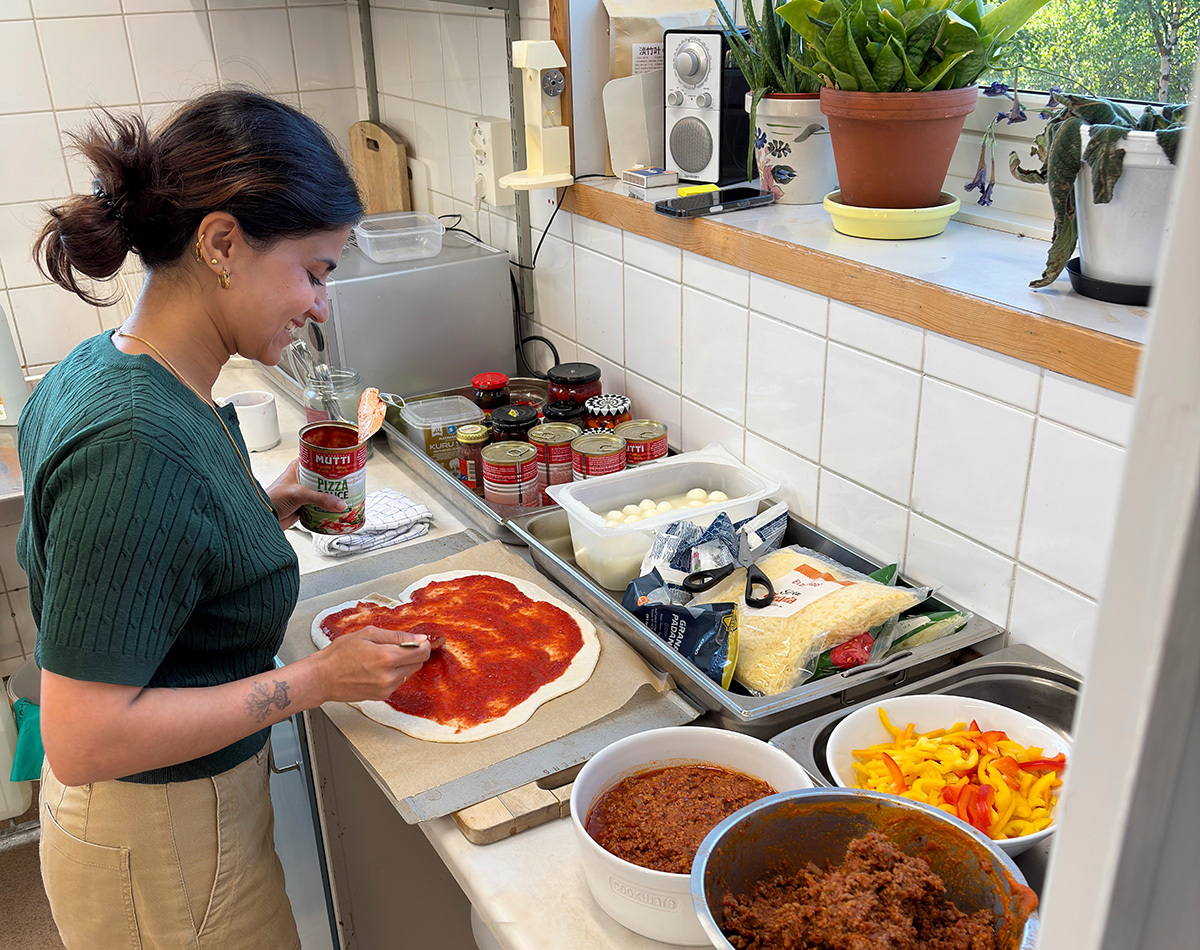
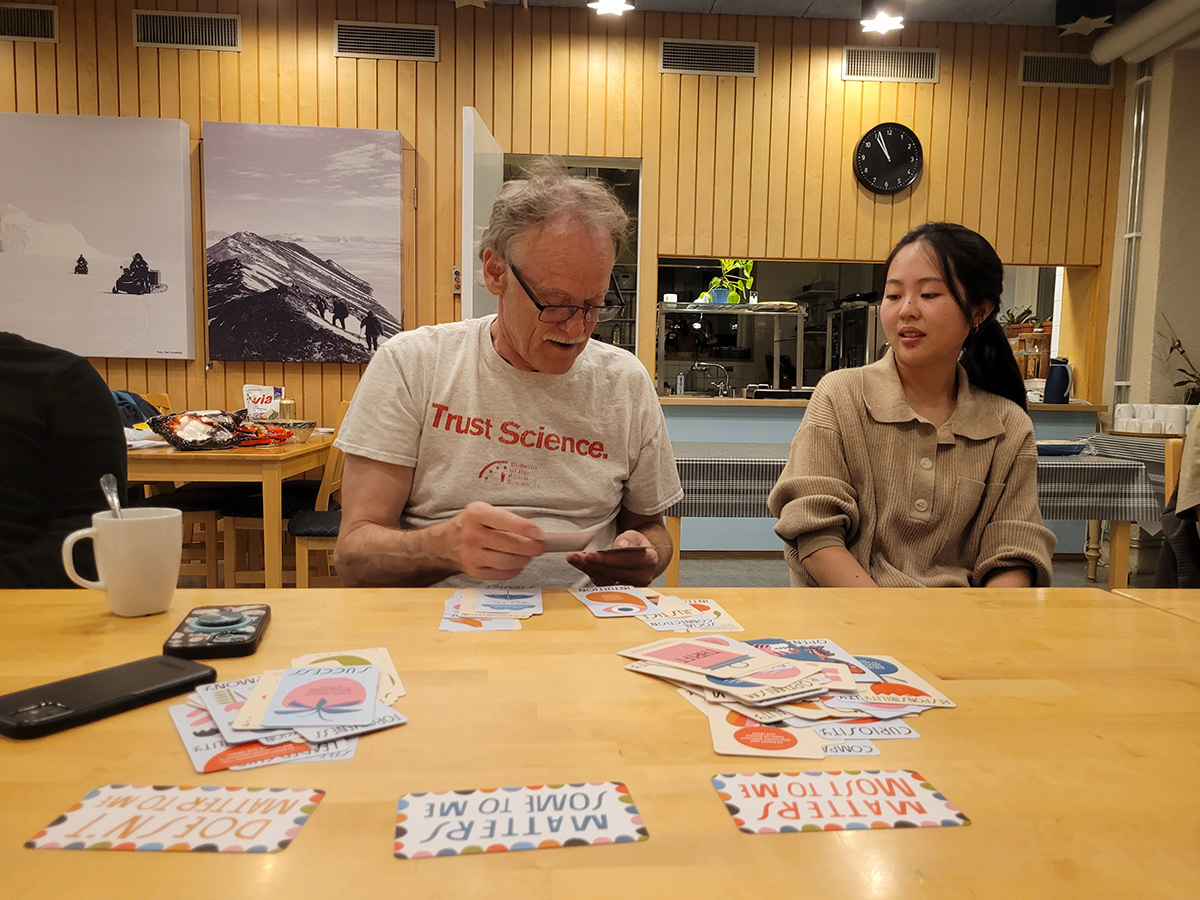
Beyond the engaging lectures and exciting hikes, one of the defining elements of ACDC that made the program stand out for the students was its informal nature. It wasn’t uncommon to see faculty members and students passionately discussing projects as they went on runs or played card games into the night. At the research station, everyone was responsible for the same chores, regardless of accolades and citation counts.
“We all helped set the tables for meals or put out breakfast,” said Rhea Gaur, a PhD student studying climate physics at the IBS Center for Climate Physics.
Such moments of mundanity quickly lowered barriers between junior and senior scientists.
“You’re not only learning together and doing science, which we did in the second half of the course, but you’re living together and eating together,” said Lily Zhang, a PhD student studying atmospheric sciences at the University of Washington. “I think what I’m coming to realize is that so much science and collaboration happens in these informal settings and conversations.”
Academic environments can be fraught with unhealthy competitiveness. Many students credited faculty members for turning ACDC into a safe space for them to rediscover their love for science and gain practical support. For one of the evenings, faculty members dedicated a session for students to ask questions about possible career paths.
“I’ll be applying for postdocs soon, and a lot of them offered to help me with either an application or vetting various people that I would be considering to work with,” said Koepnick.

“You’re not only learning together and doing science, which we did in the second half of the course, but you’re living together and eating together. I think what I’m coming to realize is that so much science and collaboration happens in these informal settings and conversations.”
—Lily Zhang, University of Washington, PhD student
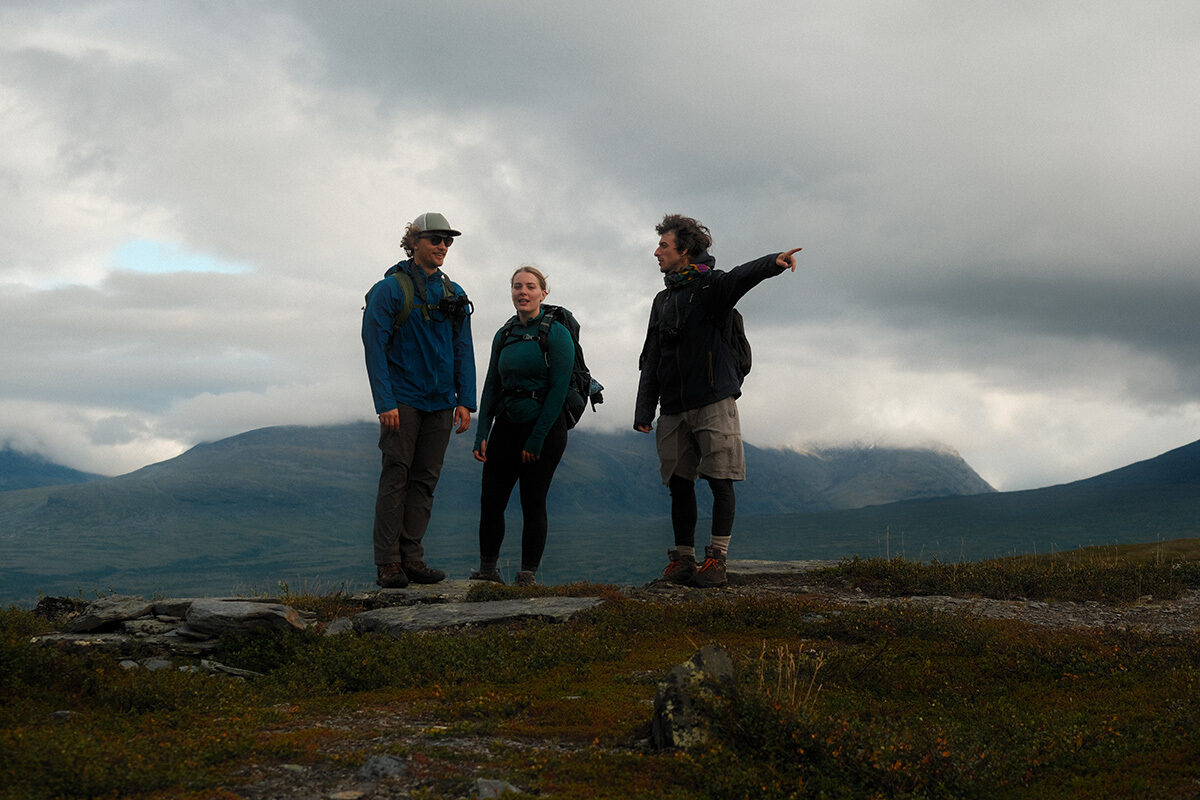
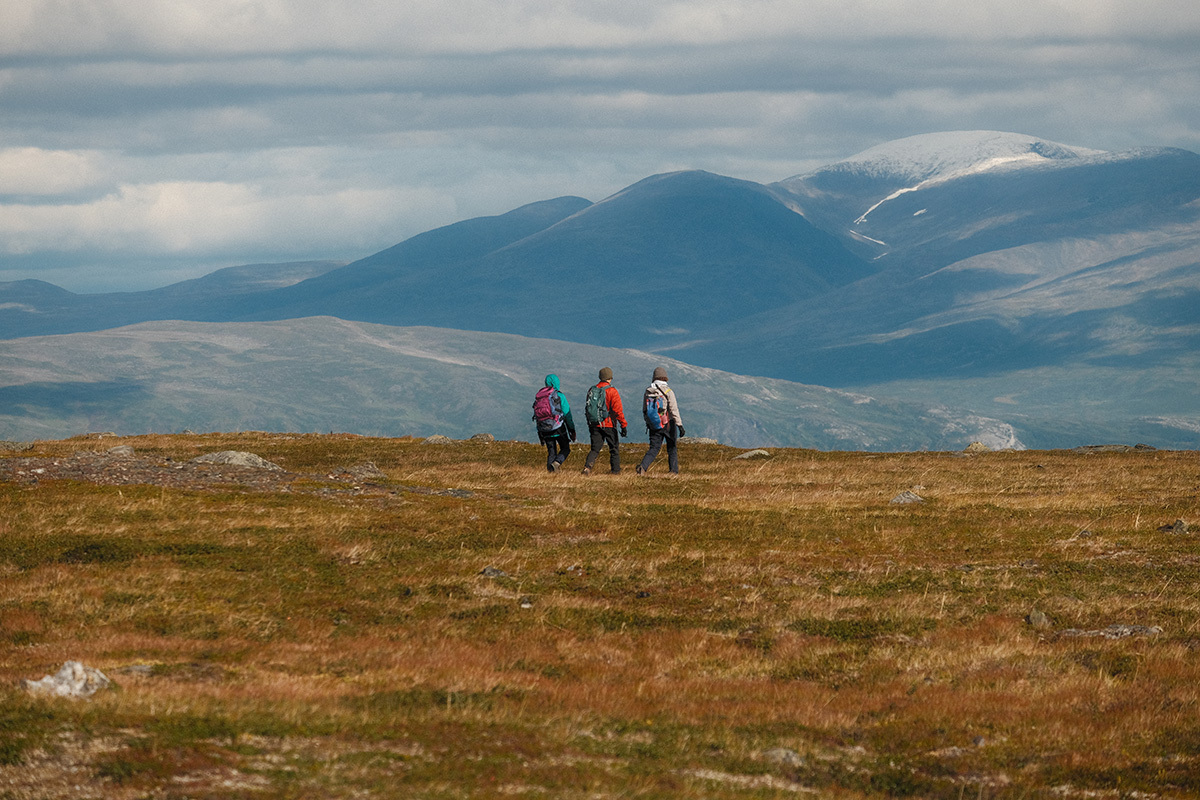
Kungsleden hiking trail. Photograph by Vera Stockmeyer.
While ACDC is only two weeks, its impact on young scientists extends far beyond the summer. The course not only equips students to approach important climate problems from a multidisciplinary angle but also empowers them to take the actions required to solve them.
Projects and discussions from the course often evolve into peer-reviewed publications and collaborations with renowned faculty members. Four of the students, including Zhang, have already been inspired to organize an all-day session on climate memory at the European Geosciences Union (EGU) meeting in May, to which scientists have been submitting abstracts.
“They don’t let it drop,” Professor Battisti said. “They keep going, and eventually, like, a year or two later, that’ll show up as a publication, and sometimes they’re really important papers.”
These students have emerged from Abisko with renewed vigor, a network of ACDC alumni, and a practical readiness that positions them to tackle the climate issues of tomorrow.
But beyond the practical benefits of ACDC, Professor Battisti hopes he can inspire in the next generation of researchers the joy of doing science.
“I was kind of in my PhD slump before I went to the program,” Koepnick said. “I was able to get my spark back.”