Investments in Science
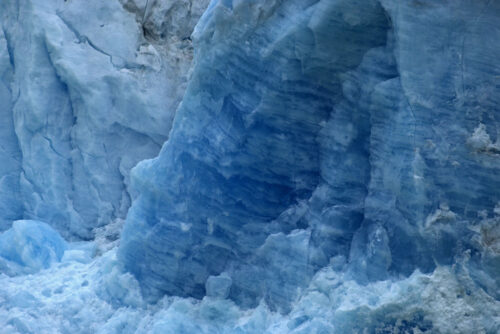
Our anchor environmental program provides direct support for scientists who seek a deeper understanding of earth’s climate. We support the Comer Fellows, a group of climate scientists whose diverse work focuses on Greenland, mountain glaciers, oceans and drylands. By studying the history of climate changes, we can better comprehend and identify future patterns and their consequences.
We provide administrative, technical, and logistical support to the Changelings, a membership group of scientists dedicated to pooling their collective vision and interdisciplinary resources to answer the toughest questions in the field. For more than two decades, the Changelings have catalyzed research and fieldwork while empowering the next generation of climate scientists. Scientists from around the world convene for presentations and discussion at our annual Climate Change Conference. We also provide administrative support to the Global Climate Change Foundation, established by Wally Broecker, founding mentor of the Comer Fellowship, to further fieldwork in paleoclimatology.
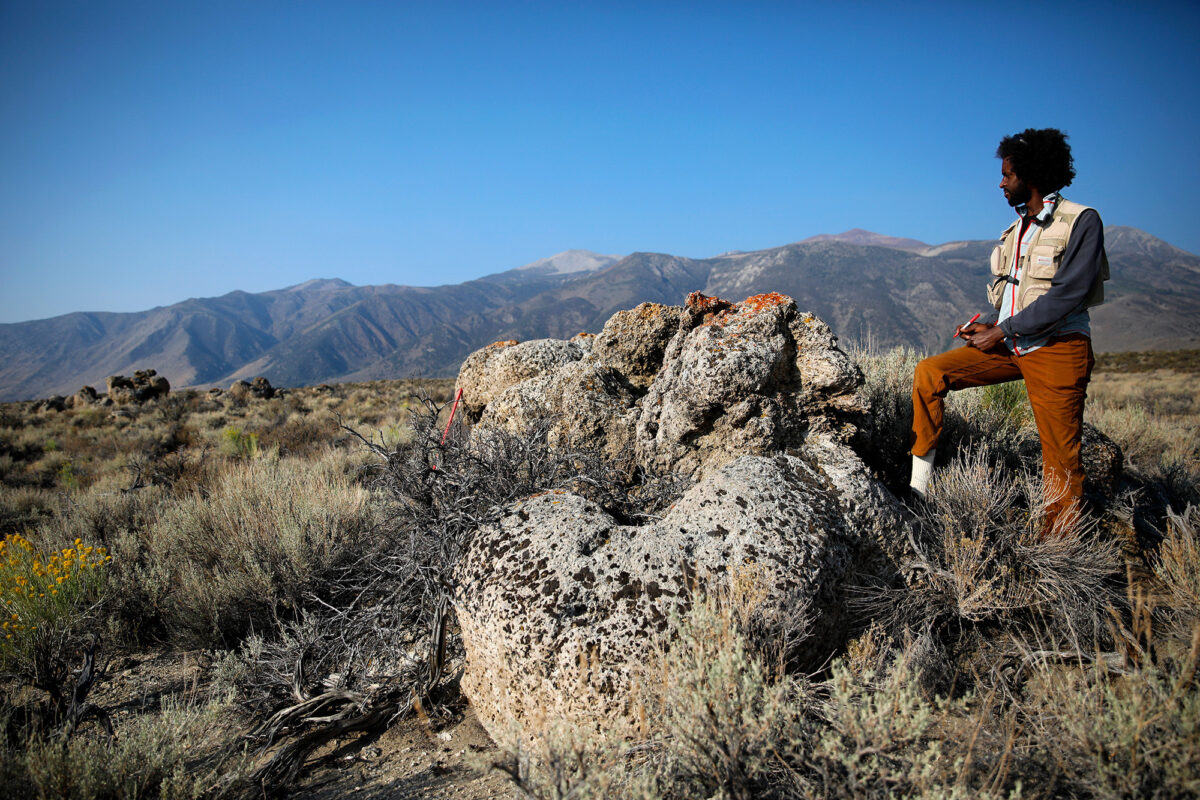
Postdoctoral researcher Guleed Ali conducts fieldwork in eastern California to reconstruct the fluctuation history of Mono Lake. This fluctuation history informs how water availability in the southwestern United States changed as the planet warmed during the termination of the last Ice Age. ©Jasmin Shah, 2020
Investments in Education
Climate change is a present and looming threat for both young people and for communities facing disproportionate consequences. Our legacy in environment and education affords us a rare opportunity to confront the climate crisis through our long-time work with youth and world-class climate scientists as well as our ties to local nonprofits and environmental justice organizations. In response, we’ve helped launch Teens Take On Climate to support youth to advance climate justice through experiential learning, employment, and engagement in their communities.
On Chicago’s South Side, Gary Comer Youth Center and Gary Comer College Prep take a holistic approach that fosters care for the environment and for building a world where all communities can thrive. The campus is home to a rigorous high school science program as well as a robust urban agriculture department. A 1.75-acre farm, rooftop garden, and a new hydroponic growing system expand year-round food production, employment, and hands-on learning for youth and young adults while strengthening sustainable local food systems.
Medill Comer Scholars is a partnership with Medill School of Journalism at Northwestern University. Students in this intensive one-year graduate program develop the expertise needed to communicate the complex science of climate change and to command attention for environmental issues. Nearly 80 graduates have gone on to successful careers in environmental and science journalism, fulfilling the mission to mobilize a vital new generation of reporters.
In the pathway to science careers, the graduate through postdoctoral stages are formative, providing defining experiences while advancing scholarly research. We support students seeking to complete their academic journeys, thereby strengthening the pipeline of young climate scientists.
Investments in our Community & Region
With the impact of a changing climate upon us, the fierce protection of our air, water, land, and native habitats through innovation, advocacy, and policy is crucial to securing our future. We help fund organizations working to strengthen climate resilience and preserve the Great Lakes Basin and urban ecosystems throughout the Midwest. Recognizing the power of community organizing to give voice to frontline communities disproportionately affected by pollution, industrial toxins, urban flooding, and extreme heat, we support local and regional environmental justice networks.